August 11, 1917 – Teddy Roosevelt Calls for Censorship of German-language Newspapers
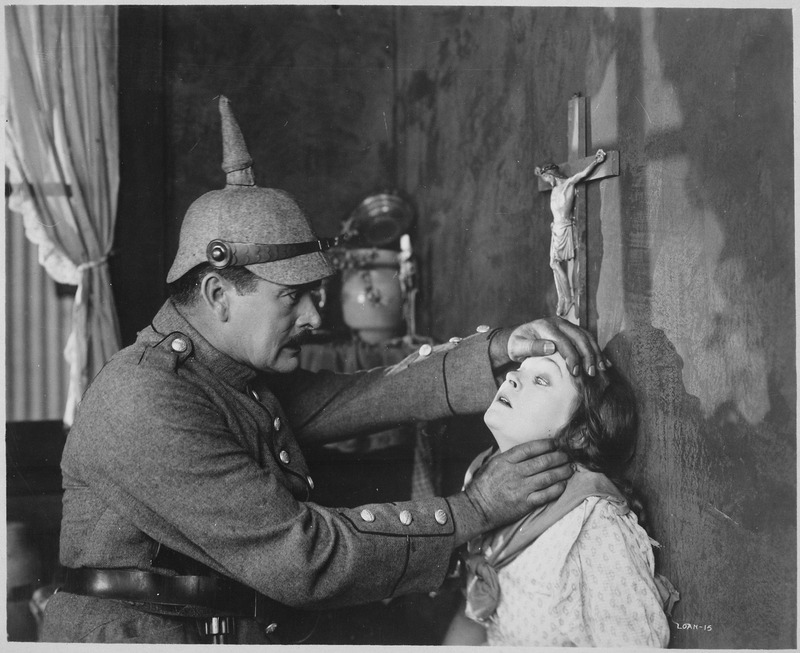
Pictured – The US government encouraged anti-German sentiment in the press and the media, as we see here in a scene from the Liberty-Loan endorsement film “Stake Uncle Sam to Play Your Hand.” For the country’s significant German-American population, however, this anger led to censorship, hostility, and in a few horrific cases, even lynching.
Former president Teddy Roosevelt made a speech in August 1917 in which he called for the muzzling of America’s significant German-language press. “I trust that Congress will pass a law refusing to allow any newspaper to be published in German or in the language of any other of our opponents… let [German-Americans]] talk in a language ordinary Americans understand – so we shall all know just what they are saying and doing.
Although not on the level of racialiized hostility to Japanese-Americans during WW2, anti-German sentiment was a serious issue during World War One, particularly in America’s very Germanic Midwest. Patriotism was conflated with anti-Germanism. In Ohio, for example, Governor James Cox created an Americanization Committee that censored German language newspapers (of which there were very many in American at the time), and removing “pro-German” books from libraries.

 Wide Spread Interests